Fix
How to Soften Hard Lino for Easier Cutting
Published
As an Amazon Associate we earn from qualifying purchases. This does not change our picks. Affiliate disclosure
Short answer
Soften hard lino with gentle warmth only: lay the block on a warm radiator or warm the surface with a hair dryer until it feels slightly warm, then carve while it is warm. Essdee warns that heating and cooling lino too vigorously cures it and makes it harder. If a warm block still crumbles under a sharp tool, the lino is old and should be replaced.
Gear for this job
All 7 picks comparedSGHUO Pink Rubber Linoleum Blocks, 4x6, 12 Pcs
See price on AmazonSee it on AmazonSpeedball Speedy-Carve Blocks, 4 x 6 in
See price on AmazonSee it on AmazonSpeedball 4196 Speedy-Carve block, 9 x 11-3/4 in
See price on AmazonSee it on Amazon
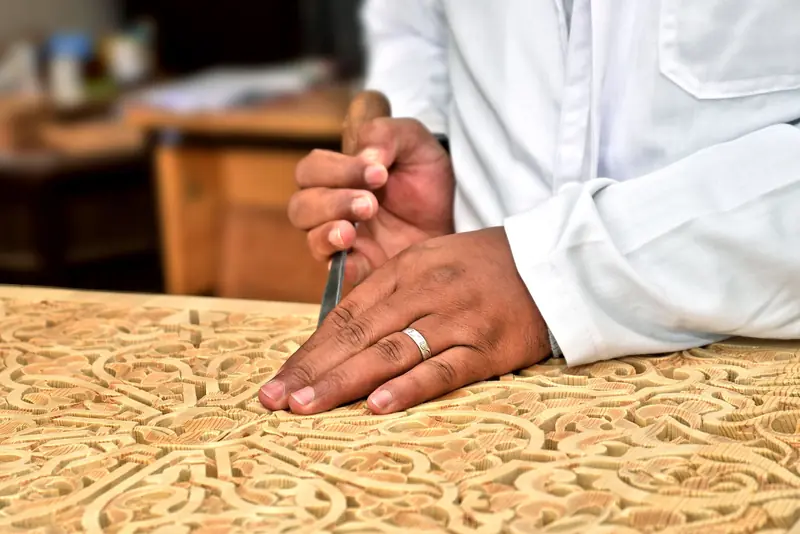
This page is for someone whose battleship gray linoleum is stiff: the lino cutter skids, the hand tires or the edges crumble. Four things cause it, and only one of them is fixed by warming. A cold block softens with mild heat. A dull tool, a cut that goes too deep and old dried-out lino do not. The table sorts the symptoms first, so you warm the block only when cold is the cause. No temperatures are given here, because the makers give none: slightly warm to the touch is the whole rule.
Lino too hard to cut: what you see, why, what to do
Start with what the tool does, not with the heat. The rows run from the most likely cause to the least likely. A block can have two causes at once, for example a cold block and a dull blade.
| What you see | Likely cause | What to do |
|---|---|---|
| Every cut needs a hard push and the hand tires fast | Cold block | Warm it gently on a radiator or with a hair dryer, then carve while it is warm |
| Tool skids over the surface or tears the cut | Dull edge | Strop or sharpen the tool, or replace a thin push-in blade |
| Tool digs in and jams | Cutting too deep | Lower the handle and take shallower cuts |
| Edges of the cuts crumble | Old, dried-out lino | Test a corner while warm with a sharp tool. If it still crumbles, replace the block |
| Block cracks when bent | Lino has cured and turned brittle | Replace it. Store new lino wrapped, flat and away from heat and sun |
| Fresh, warm lino still feels too hard | The material does not suit your hands | Switch to a soft carving block |
How to soften lino for cutting with gentle warmth
Traditional lino needs more pressure when it is cold, and it cuts more easily when warm. Essdee, which makes lino, suggests warming it slightly when you work in a cool room. The aim is a block that feels slightly warm to the touch, not hot. These are the methods the sources describe.
Warmth does not last. When the cuts start to need more push again, stop and warm the block again instead of forcing the tool.
- Radiator: lay the block on a warm radiator until it feels slightly warm, then carve straight away.
- Hair dryer: pass warm air over the surface until it feels slightly warm. Warm it a little at a time and stop before it gets hot.
- Body warmth: Essdee suggests sitting on the block while you have a cup of tea. It is the mildest method of the four.
- Warm room: carve in a heated room and let a block that was kept somewhere cold come up to room temperature first.
Note.Slightly warm is enough. If the block feels hot, the method is too strong: let it cool down on its own and use less heat next time.
Why too much heat makes lino harder
Lino hardens by curing. Essdee warns that heating and cooling lino too vigorously can cure the material and make it harder, which is the opposite of what you want. The same maker says hardness and brittleness come from curing, and lists heat, sun, strong light and air movement as the things to keep lino away from.
That is why this page names only mild sources and gives no temperatures. Stay with the methods above and do not reach for anything stronger. Sun is not a softening method either: it is on the maker's list of things to keep lino away from.
Dull tool or hard lino? Check the edge first
A dull edge makes good lino feel hard. One supplier guide puts it plainly: even the best lino feels hard if the tools are not sharp. A tool that skids across the surface or tears the cut instead of slicing it points to the edge, not the block.
Keep the factory bevel, take the burr off the inside and strop often. One supplier guide says every 15 to 20 minutes of carving. Thin push-in blades are usually replaced, not sharpened. The steps are in how to sharpen lino cutting tools.
Linoleum block carving tips for a stiff block
Depth is the other common cause. A tool held steep dives into the block and jams, and the push needed rises fast. Lower the handle so the blade skims, and take a shallow cut. The cut does not need to reach the backing.
Work in the usual order. Outline with a small V tool, 1 to 2 mm wide, then clear with a U gouge in short strokes. Keep the block on a bench hook or non-slip mat and cut away from the hand that holds it. More technique is in how to carve a linoleum block.
Why old lino hardens, and when a block is past saving
Traditional lino is made from natural materials such as linseed oil and wood flour on a hessian backing. It cures with time, so old lino dries out and turns crumbly. Fresh lino should be flexible, not brittle. Warmth eases a cold block, but none of the sources checked describes a way to undo curing.
- The edges of a cut crumble even when the block is warm and the tool is sharp.
- The sheet cracks when you flex it gently, where fresh lino bends.
- The block has been stored for a long time near heat, in sun or unwrapped.
Note.Test on a corner or the back edge before you transfer a design. One clean test cut on a warm block tells you more than the age of the block.
When to switch to a soft carving block
If fresh, warm lino cut with a sharp tool still tires your hand, change the material. Soft carving blocks, sold as easy cut lino, soft cut lino or pink rubber blocks, carve with little pressure and do not crumble. The trade-off is a slight stretch under the tool, so the finest lines are harder to control than on firm lino.
Soft blocks need no warming, and heat harms them: in one supplier test soft cut yellowed and warped under a hot iron. The full comparison is in soft cut vs battleship gray lino.
How to keep new lino from hardening
Storage decides how long a block stays workable. Essdee's advice is to keep lino wrapped up, out of the sun and bright light, and away from heat sources and moving air. Store blocks flat so they do not curl. Buy lino when you plan to use it instead of stockpiling it. See how to store lino blocks for the details.
Quick answers
Short answers to the common questions about hard lino. The symptom table at the top of the page sorts the causes and the fix for each.
- Why is my lino too hard to cut? Usually the block is cold, the tool is dull or the lino is old and dried out. Warm the block gently and check the edge first.
- Can you soften lino with a hair dryer? Yes. Essdee names a hair dryer and a radiator. Warm the block slightly and stop before it gets hot, because too much heat hardens lino.
- How do you carve linoleum for block printing when it is stiff? Warm the block, use a sharp small V tool, keep the handle low and take shallow cuts.
- Is easy cut lino for printing easier than gray lino? Yes. Soft blocks carve with little pressure and do not crumble, but they can stretch slightly under the tool.
- Does soft cut lino for printing need warming? No. It carves easily as it is, and heat can warp it.
What you need for this
- See price on AmazonAmazon
SGHUO Pink Rubber Linoleum Blocks, 4x6, 12 Pcs
- See price on AmazonAmazon
Speedball 4131 Linoleum Cutter Set, 5 Types
From Best Lino Cutting Tool Sets: Handles With Interchangeable Blades
- See price on AmazonAmazon
Pfeil L 12a/4 lino cutter, V tool, 4 mm